A Desoldering Rework Station is an essential tool for electronics repair, assembly, and maintenance, designed to safely remove and replace components on printed circuit boards (PCBs). It combines hot air technology, temperature control, and often a vacuum-based desoldering system to efficiently melt and remove solder without damaging delicate components or PCB traces. These stations are widely used for working with surface-mount devices (SMD), through-hole components, and complex packages like BGA and QFP. The hot air system provides controlled heat to soften solder joints, while precision nozzles ensure targeted airflow, minimizing the risk of overheating nearby components. In advanced models, a built-in vacuum pump helps in clean solder removal, improving efficiency and reducing manual effort. Modern desoldering rework stations feature digital temperature control with adjustable airflow settings, allowing technicians to tailor the process according to component type and board sensitivity. This ensures consistent results and prevents issues like lifted pads or thermal damage. The ergonomic design and user-friendly interface make these stations suitable for both beginners and professionals. They are commonly used in repair labs, service centers, R&D facilities, and electronics manufacturing units. Overall, a desoldering rework station enhances precision, reduces rework time, and improves repair quality, making it a must-have tool for anyone working with electronic circuits and PCB assemblies.
A desoldering rework station is a specialized piece of bench equipment designed to remove solder from circuit boards cleanly and efficiently - without damaging the components or the board itself. Think of it as the professional's answer to the humble solder sucker.
We are a leading Desoldering Rework Station Suppliers in India, offering high-performance equipment for PCB repair, electronics manufacturing, and industrial applications.
As a Desoldering Rework Station Manufacturers in India , Our systems are designed to deliver precision temperature control, efficient desoldering, and long-lasting performance, making them ideal for professionals and production environments.
A standard soldering iron does one job: it melts solder so you can join components. A desoldering rework station, on the other hand, goes further. It combines heat with either vacuum suction or controlled hot air to lift solder away from joints - often in a single, smooth action. Many modern stations also double as soldering tools, giving you a true all-in-one workbench solution. The precision, temperature stability, and repeatability of a rework station simply can't be matched by a basic iron.
Most stations share a common anatomy: a control unit with a digital display, a heated handpiece (or hot air wand), interchangeable nozzles, and — depending on the type — a built-in vacuum pump or an air compressor. Higher-end models add ESD-safe stands, tip cleaners, and programmable temperature profiles.
Not all stations are built the same. Picking the right type for your work can save you hours of frustration.
The most popular choice for SMD work. They blow temperature-controlled hot air through a nozzle to evenly heat a component's solder joints simultaneously, making removal quick and clean. Great for chips, resistors, capacitors, and virtually any surface-mount part.
These use a heated tip combined with a built-in pump to melt and suck up solder in one move. They excel at through-hole component removal — think connector pins, electrolytic capacitors, and DIP ICs. If through-hole rework is a big part of your workflow, a dedicated vacuum station is worth every penny.
IR stations use infrared heat panels rather than direct air or contact, making them ideal for large or heat-sensitive components. They're a staple in professional BGA rework, where even heat distribution across the entire chip is critical. The learning curve is steeper, but the results speak for themselves.
Can't decide? You don't have to. Combo stations pack both a soldering iron and a desoldering tool into a single unit, often sharing one temperature controller. They're a smart investment for small workshops or anyone who wants to keep their bench uncluttered.
The basic flow is straightforward: you select the right nozzle, set your temperature, allow the station to reach thermal equilibrium, apply heat to the target joint, and either vacuum up the molten solder or lift the component away with tweezers once the solder flows. It sounds simple — and with a good station, it genuinely is.
SMD components require even, localised heat — typically from hot air — applied at a careful angle so nearby components aren't disturbed. Through-hole components, by contrast, need the solder in the plated hole to be fully liquefied before the vacuum kicks in. Both techniques take practice, but the station does most of the heavy lifting.
Look for a range of at least 100°C–480°C with stable, responsive feedback. Cheap stations often have significant temperature drift — what reads as 350°C might actually be 380°C at the tip. That gap is the difference between a clean rework and a destroyed pad.
For hot air stations, adjustable airflow is non-negotiable. Too much blast and you'll scatter tiny capacitors across the room. For vacuum stations, suction power directly affects how cleanly solder is cleared from holes. Don't overlook this spec.
A station is only as versatile as its nozzle range. Round nozzles handle most jobs, but specialised nozzles for specific IC packages — QFP, SOIC, BGA — make repetitive rework dramatically faster and more consistent.
If you're working on microcontrollers, memory chips, or any sensitive semiconductor, ESD protection isn't optional. Verify that the station is ESD-safe and always use it alongside a grounded mat and wrist strap.
A clear digital display is table stakes. Better stations let you save temperature profiles for different tasks — a genuine timesaver when you're switching between lead-free and leaded solder, or between delicate SMD work and chunky through-hole rework.
The bread-and-butter use case. Whether it's fixing a cold joint, swapping a faulty component, or correcting a manufacturing error, rework stations are essential on any serious repair bench.
BGA chips — used in virtually every modern laptop and smartphone — have solder balls hidden beneath the package. Removing them without an IR or hot air station is practically impossible without destroying the board.
Board-level repair on consumer electronics has exploded in popularity, and for good reason. A quality rework station is the single most important tool for anyone doing this kind of work professionally.
You don't need to run a repair shop to justify owning one. For the serious hobbyist — building custom keyboards, salvaging components from old boards, or prototyping circuits — a rework station is a genuine upgrade over improvised tools.
Look for high-end stations from brands like Hakko, JBC, or Weller — they offer exceptional thermal recovery, wide nozzle ecosystems, and long-term reliability for daily professional use.
Stations from brands like Quick or Yihua punch well above their price point and are a solid starting point for technicians on a budget or those getting started with rework.
A simple hot air + soldering combo station with intuitive controls and clear temperature feedback keeps the learning curve manageable without sacrificing capability.
Dedicated IR rework stations or professional hot air stations with fine-pitch nozzles are the go-to choice for consistent, repeatable results on modern surface-mount boards.
Place the station on a clean, heat-resistant surface. Ground yourself and the station. Let it fully warm up before touching any board — thermal instability in the first few minutes is a common source of mistakes.
Start lower than you think you need. Lead-free solder typically requires 350°C–400°C; leaded solder works well around 300°C–350°C. Pair the nozzle size as closely to the component footprint as possible.
Moving too quickly, using excessive airflow, applying heat for too long in one spot, and skipping flux — these are the usual culprits behind damaged boards. Patience and preparation prevent almost all of them.
Always use eye protection. Keep flammable materials away from the bench. Never leave a heated station unattended, and ensure your workspace is well-ventilated — solder fumes are no joke.
Clogged nozzles reduce airflow and create uneven heat distribution. Clean them regularly with a soft brush and replace filters as recommended by the manufacturer — usually every few months under heavy use.
Over time, sensors drift. Use a calibrated thermocouple to verify displayed vs actual temperature every few months. Most professional stations have a calibration mode built in.
Store nozzles in a dry, organised case to prevent oxidation. Return the handpiece to its stand after every use and power the station down when not in active use — it extends heating element life considerably.
A desoldering rework station is used to safely remove and replace electronic components from PCBs. It helps in melting solder joints using controlled heat (hot air or vacuum-based systems), making it easy to repair, upgrade, or rework circuit boards without damaging components.
Yes, most modern rework stations are specifically designed for SMD components like resistors, ICs, QFP, and even BGA packages. The adjustable airflow and temperature control allow precise heating, making it safe for delicate surface-mount devices.
The temperature setting depends on the type of solder being used and the sensitivity of the component. For leaded solder, a temperature range of around 280°C to 350°C is usually sufficient, while lead-free solder may require slightly higher temperatures between 320°C and 380°C. It is always recommended to start at a lower temperature and gradually increase it to avoid overheating.
Preventing PCB damage requires careful handling and proper technique. Maintaining the right temperature, avoiding prolonged heat exposure on one spot, and using the correct nozzle size are important. Preheating the board can also reduce thermal stress and improve overall safety during the process.
A desoldering rework station is generally more efficient and precise compared to a basic soldering iron, especially when dealing with complex or multi-pin components. While a soldering iron is suitable for simple tasks, a rework station provides better control, faster operation, and safer handling for professional-level work.
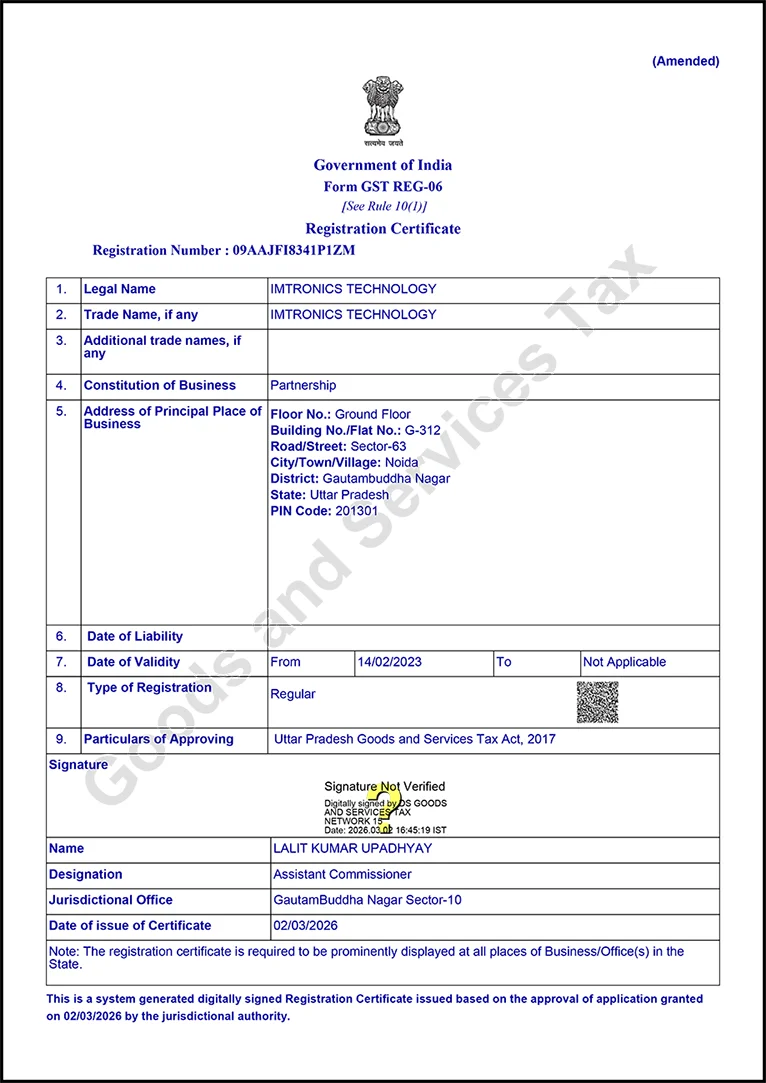
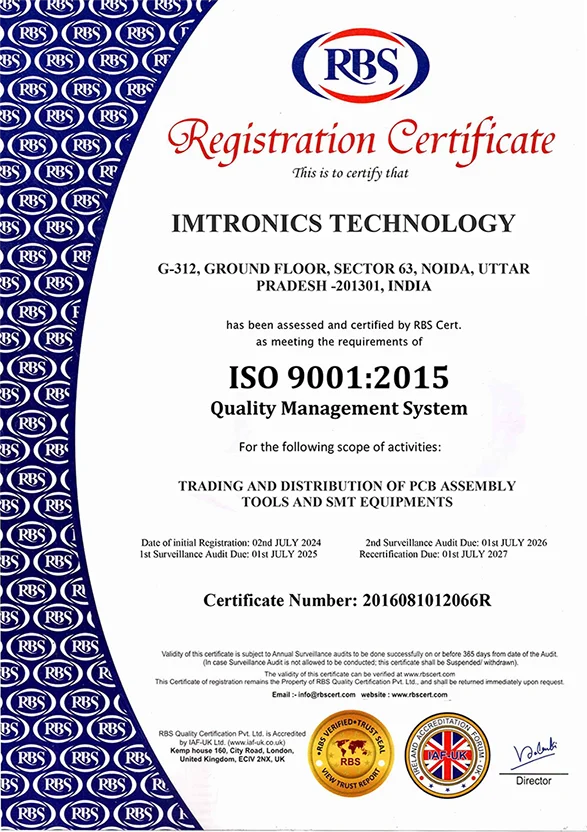
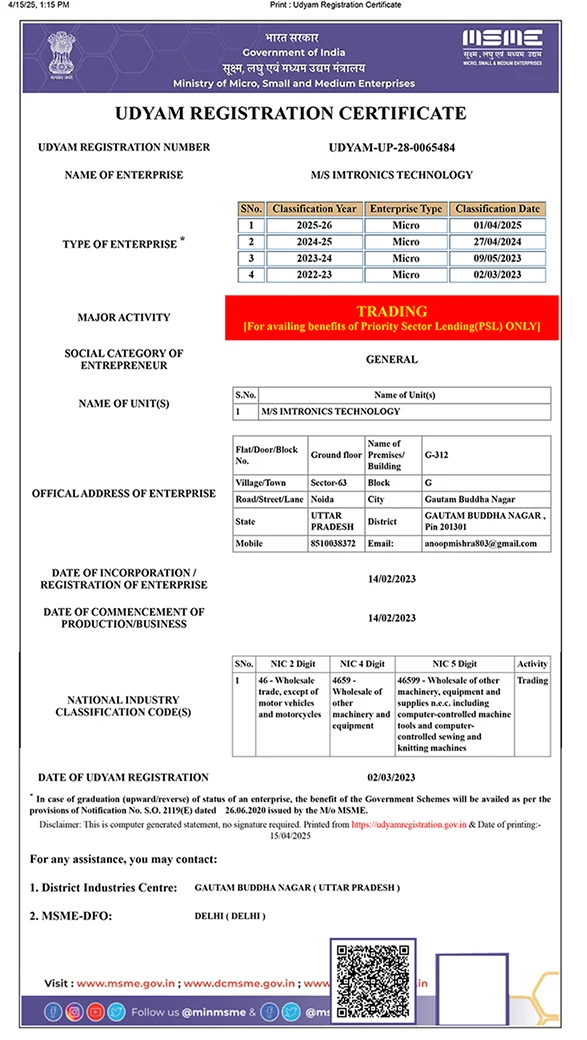
Get reliable electronics manufacturing solutions for your projects. Contact now.